
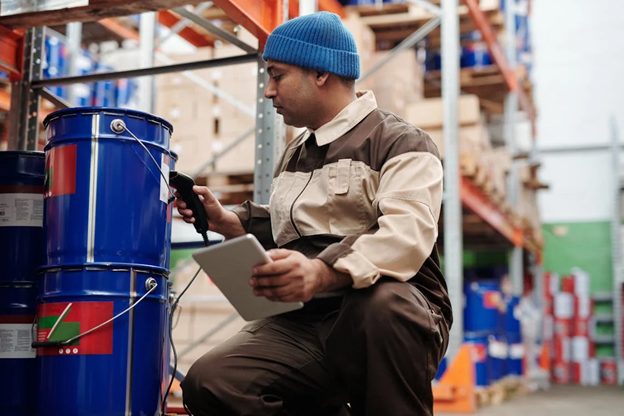
Safety and compliance are more than checkboxes in today’s busy work environments. They’re essential to keeping teams protected and businesses running smoothly. An often overlooked, but equally important component of safety and compliance, is storage systems.
From warehouses to offices, the way materials, equipment, and documents are stored can make all the difference. Well-organised storage helps prevent accidents, keeps walkways clear, and makes it easier to find important safety gear when needed. It also supports compliance with workplace regulations.
Let’s explore how smart storage systems can help create safer, more efficient workspaces for everyone.
The Link Between Storage and Workplace Safety
It’s easy to overlook storage when considering workplace safety, but it plays a much bigger role than most people realise. Cluttered spaces aren’t just messy—they’re dangerous. When walkways are blocked or tools are left lying around, the risk of trips, slips, and falls increases. Even worse, equipment can get damaged or become a hazard itself.
That’s why proper storage matters. Organising the workspace helps everyone move safely and easily. It also protects valuable tools and equipment from unnecessary damage. When not stored correctly, safety gear like helmets, gloves, and fire extinguishers might not be available when needed most.
A smart storage system makes all the difference, so choosing reputable storage system providers is essential. One such provider is steelspan, which specialises in providing durable shelving, cabinets, and storage solutions to keep workplaces safe and efficient.
Having a designated area for all items, whether they are tools, emergency supplies, or personal protective equipment (PPE), lowers dangers and maintains efficiency.
If you haven’t looked at your storage setup, now’s a great time. A little organisation today can prevent big problems tomorrow.
Storage Systems and Regulatory Compliance
Ensuring workplace safety isn’t just about protective gear and training. It’s also about how and where materials are stored.
The Occupational Safety and Health Administration (OSHA) emphasises that improper storage can lead to serious hazards. For instance, materials must be stacked securely to prevent sliding or collapse, and aisles should remain clear to avoid tripping risks.
Proper labelling is equally crucial. OSHA’s Hazard Communication Standard mandates that hazardous chemicals be clearly labelled so workers know potential dangers. This not only safeguards employees, but also ensures compliance during inspections.
Documentation plays a pivotal role in compliance. Employers are required to maintain records of work-related injuries and illnesses, which are vital during OSHA audits. Organised storage of these records facilitates easy access and demonstrates a company’s commitment to safety standards.
Incorporating effective storage solutions, like those offered by Steelspan, can help businesses meet these regulatory requirements. By prioritizing proper storage, businesses enhance safety and ensure OSHA compliance.
Types of Storage Solutions That Enhance Safety
Keeping a workplace safe isn’t just about training and protective gear. It’s also about smart storage. Shelving units, cabinets, and lockers help keep tools, supplies, and personal items organised and off the floor, reducing the risk of trips and falls. Steel shelving, for instance, can handle heavy loads and is ideal for securely storing equipment.
When dealing with hazardous materials, specialised storage is crucial. Hazardous material storage cabinets are designed to contain spills and prevent fires, meeting OSHA’s safety standards. These cabinets often feature fire-resistant construction and secure locking mechanisms to protect both employees and the facility.
Digital storage solutions also play a vital role in workplace safety. Through digitization and safe cloud storage, businesses can shield critical data from unauthorized access and physical harm. This not only ensures compliance with regulations but also makes it easier to retrieve information when needed.
Investing in the right storage solutions—physical or digital—can significantly enhance workplace safety and efficiency.
Best Practices for Implementing Safe Storage Systems
Implementing safe storage systems is more than organising shelves—it’s about creating a safer, more efficient workplace.
- Conduct Regular Storage Audits
Start by assessing your current storage setup. Regular audits help identify potential hazards like overloaded shelves or blocked aisles. According to OSHA, routine inspections are crucial for maintaining workplace safety and compliance.
- Train Employees on Storage Safety
Employees should be trained to store materials properly, understand labelling systems, and recognise potential risks. OSHA emphasises the importance of training in preventing workplace injuries and ensuring compliance with safety standards.
- Schedule Routine Maintenance and Inspections
Regular maintenance ensures that storage equipment remains in good condition. Inspections can catch wear and tear early, preventing accidents. As mentioned by SafetyIQ, proactive maintenance is key to a safe storage environment.
Businesses can improve workplace organization, boost safety, and comply with regulations by implementing these best practices.
Smart Storage is Smart Safety
Storage isn’t just about shelving—it’s safety in action. Every detail matters, from clear walkways to labelled chemicals and easy-to-find safety gear. Businesses protect people and meet legal standards by auditing, training, and maintaining storage systems. Don’t wait—make storage safety part of your workplace culture today.